80s Party Crafts for Teens and Adults

You may have noticed how popular the 1980s have been getting in recent years, and crafts with that theme are no exception. Not only is this decade popular with people who lived through it, but it is also gaining popularity for teens new to the trends that happened back then. Thus, there are two main groups of people who would be interested in a 80s party; adults and teens. There are great crafts that you can do for each kind of occasion.

Parties for teenagers with a 80s theme are perfect for crafts. For example, one of the leading fashions for girls in the 1980s was leg warmers. You could buy your own, but it's a lot more fun to make them yourself. Have your teen girl's make their own leg warmers at the party by providing them with circular looms and many different colors and textures of yarn.

Leg Warmers To Buy

For an adult 80s themed party, there are crafts that are appropriate, too. For instance, much of the appeal of the 80s is in the music. You could make crafts that reflect that. Find rock and roll band t-shirts at your local used clothing stores and use them for your projects. You could make wall hangings with them, or even make pillows. This is a nice touch that a lot of your guests won't expect. You could even make party favors that use this theme. After all, everyone likes to get fun free stuff when they go to a party. Make the occasion extra special with these 80s themed crafts.

80s Party Crafts for Teens and Adults

Click here to Read more...

Cycling in the Winter Season

Summer time is now over here in the UK and it is time to start thinking about those cold commutes and winter rides. Most of us will be saying goodbye to many cycling accessories such as skinny tyres, lightweight clothing and dry weather chain lube. Tweaking different areas of your bike and cycle clothing can make for a much more enjoyable ride and longer lasting components.

Your Bike

Leg Warmers To Buy

It doesn't matter if you're on the road or out on the trails, your bike will benefit from a number of changes over the cold rainy season. So here is a quick overview of what we think the basic upgrades should be and their benefits.

Cycling in the Winter Season

Tyres:

As the grimey wet roads and soggy trails start to take over, the best thing you can change on your bike to keep the handling in check are the tyres. Heavier tyres with more grip will give you more confidence, which makes for a much more enjoyable ride. Whether you want to keep up the training or simply keep riding to work safely, choosing a good tyre will benefit you. This being said, you should bear in mind that thicker tyres with more grip will make a dramatic difference in rolling performance, so you do not want to buy the biggest tyres you can find! Depending on your current routes you will need to judge how much of an upgrade you will need from the tyres you have. Good tyre brands include: Maxxis Tyres + Halo Tyres

Mudguards:

Many people I know dislike putting mudguards on their bike, whether this be cost, inconvenience of fitting the damn things or simply because it makes their precious bike look a little less attractive. All valid points, but none out way the discomfort of having wet pants or being covered in mud. Also protecting your bike from day to day grime can also make for ease of cleaning and longer lasting components. Without mudguards it is easier for salt grit from roads and small stones to work their way into all your nooks and crannies, meaning more re-greasing and servicing. Some popular brands of mud guards include: SKS + Crud Catcher

Lights:

When our lovely winter does kick in, a good set of bike lights is a must when riding in the dark. Even on well lit roads, good lighting can avoid nasty accidents. For simply commuting there are a number of good lights out there that will do the job, but we recommend not going for the cheapest set just to keep your bike legal.

There are many lights with different purposes, buying from a proper bike shop can certainly help you with the correct decision. Until then, I will break it down into 4 simply categories:

Basic commuting light set: This includes a respected brand, with a light at the front and rear of the bike, simply to be seen by traffic. Blackburn lights offer a great quality set for a great price!

Extra safe commuting light set: This set will not only be bright enough to be seen by traffic, but will also allow you to see where you are going. For example, light up the unlit country roads that you may travel through on your way home.

Off road light set: Buying off road lights can be an expensive purchase, but if you have ever ridden through the woods at night, you will understand that you need a powerful light.

Enthusiast off road light set: Riding at night can be a beautiful experience, and like any sport, if you like to take things to the next level, you want the best gear. The best off road light sets can go up to anything over £500. The Exposure Six Pack for example is a 2000 lumin beast!

Lube:

Having the correct lube on your chain can eliminate extra servicing and replacing components before their time. Using a 'wet' specific chain lubricant will mean that your chain stays lubricated for longer, resulting in a smoother ride and less maintenance. Winner! Finish Line and Juice Lubes both offer outstanding performance when it comes to lubricants.

Your clothing:

Everyone can understand that being cold is not fun, this is why many cyclists are put off riding in the winter. But with a couple of changes to your gear you will find that it can be just as comfortable! Having the correct clothing will offer warmth and breathability without sacrificing on performance.

Jacket:

For the basic outer layer you should be looking at a waterproof/breathable cycling jacket, cycle specific clothing will be a much better fit, for example, allowing for the stretch of your arms when in the riding position. A good jacket will also come with reflective strips that will be seen when on the road at night. Endura do a good range of jackets that come with many features including subtle reflective strips.

Shorts and trousers:

Many riders prefer shorts, even in the depths of winter, simply because they are much more comfortable to ride in. Shorts and trousers are both available in breathable/waterproof options that can also come with reflective strips on some versions. Like all riding specific clothing the trousers come with many features that add to the comfort, for example velcro around the ankles for less chainring on trouser action. Endura clothing is highly recommended here for its great performance and price points.

Base Layer:

Base layers for the top and bottom are a great way to keep warm over the winter, they are quite hidden being worn under your clothing to simply add an extra layer. Good base layers are lower priced than most winter clothing upgrades but add a lot of warmth to your ride. A great investment!

Gloves:

As I am sure every single rider that has ridden in the winter will know, gloves are a must! There are many types of gloves to choose from depending on your needs. Windproof only gloves, windproof/waterproof (much thicker), thermal gloves or standard gloves. For winter cycling it is advised to go for at least a windproof set. For longer rides you may want to think about a thicker pair to battle off the frost!

Accessories:

Of course there are many small accessories you can add to your clothing set up to add extra comfort and safety. Without going through every single one here are a few that we think off the best 'bang for buck'.

Overshoes are a popular choice to keep them toes warm and dry on your journey. Over shoes are a low-cost way to add a lot of comfort on a rainy day. They easily slip on over your regular shoe (with slots for your clip less shoes), some overshoes also come with reflective strips for extra visibility.

Along the same lines as the overshoes, many riders like to use waterproof socks. Well worth a try if you have not done so before. Popular brands such as Sealskinz offer an outstanding range of high quality all weather socks.

Arm warmers and leg warmers are a great add on to keep you warm without disturbing your regular clothing. These are also available in thermal versions.

Skull caps, like the warmers, fit discreetly, under your helmet. Adding a warm layer to your head and ears.

Hi Viz accessories come in many shapes and sizes. Including waist/shoulder straps, bag covers (which can also double up as a waterproof cover), gilets, jackets, stickers and so on...

Maintenance:

Summertime is a lot kinder to our bikes, punishing it throughout the winter can take its toll when not properly maintained. As previously mentioned, lubricating the chain is a must, if you decide to skimp on everything else, you should also keep the chain lubricated with the correct lube.

After a few road rides or even one off road ride, your bike can be covered in horrible gunk which should be cleaned off and the essential parts lubricated. This can be done simply with some warm water, a bucket, some degreaser/cleaner such as Muc-Off and an old rag or sponge. The degreaser should be used for the oily parts to remove the worn out grease. Once the bike is nice and clean it should be rinsed down with water and towel dried.

For a quick general lubrication you should cover the basic moving parts, these include the chain and gears around the chain, brake pivots, adjustment bolts etc. More involved re-greasing on components such as the headset, hubs, bottom bracket, pedals etc should be done during a proper service, and is not really necessary for every clean.

Cleaning the bike from time to time also allows for checking any loose spokes, screws, damaged cables and tyres. Keeping on top of the little things avoid bigger problems out on the ride.

Cycling in the Winter Season

Click here to Read more...

How to Dress to Survive Cold Weather - 12 Tips on How to Stay Warm Outside During Winter

  1. Dress in Layers - You can always remove outer layers if you get warm.
  2. Wear 100% Polypropylene underwear - or other moisture wicking underwear. No matter how many layers you wear, you will be cold if you are wet. The key is to wear form-fitting, moisture-wicking underwear that will wick the moisture away from your skin. Cotton underwear will soak up moisture and hold it next to your skin, making you cold.
  3. Avoid Unnecessary Movement - if you know you will have to be still later on. For instance, if you are a hunter walking to your tree stand or blind, start earlier and walk slowly so as not to cause excessive sweating. Also, it is a good idea to tie your coat around your waist or put it in your daypack as you walk. You may be cold at first, but with the coat on you are more likely to sweat. As you walk, you will warm up. Save the coat for when you really need it and are sitting still for long periods of time.
  4. Wear a Hat or Cap - Most of your body heat is lost through your head. You will be surprised at how much warmer you will be if you wear something on your head. You may also choose to wear some other type of warm headgear. Something such as a ski mask that covers your face, including your ears, and nose is nice and in some climates essential. Again, save the hat for when you are still or have a lower level of activity if possible. A 100% polypropylene baklava under your head gear will serve to wick moisture away from your head.
  5. Wear a Scarf - or turtleneck. Just make sure your neck is covered with something warm.
  6. Wear Warm Outer Layers - 100% wool is a good insulator, or you may choose from a host of other high tech outer layers such as polar fleece. Always pack a rain suit or other water-proof outer shell that is large enough to cover all of your layers. If it starts to rain you will be glad you did! Take along a heavy water-resistant coat. Don't skimp on something cheap. Get a coat with good insulating qualities and a built-in hood. Outer shells that have a wind blocking material in them will help keep those cold gusts from making their way through your clothing. Wear pants that fit a little loose with layers on under them. Blouse your pants with blousing rubbers or stuff them into your boots to trap body heat and prevent cold drafts from finding a path up your pants leg.
  7. Wear Mittens - Believe me when I tell you that your fingers will be much warmer with mittens on than with gloves! Now there are mittens that have a folding top part which allows you to expose the ends of your fingers when you need to use them. You can then flip the top half of the mitten right back over your fingers for protection.
  8. Use a Hand Warmer - If you're going to be sitting still for long periods of time and it is important to you to have more finger dexterity than pop-top mittens will allow, you may want to give a hand warmer a try. These are usually made from polar fleece or other warm material and have a waist strap with a quick release. The heat generated from your hands inside the insulated sleeve keeps your fingers toasty and ready for use at a moments notice. Also referred to as a hand warmer is a device which operates on butane. The outer shell of the hand warmer is aluminum and it is carried in a cloth pouch with draw strings. For hunters and wildlife observers this may not be a good option, since the scent from the burning butane may alert wildlife downwind of you to your presence. If it's cold enough, you may not care.
  9. Wear Under Socks - Start off with under socks made of 100% polypropylene. You need to wick as much moisture as possible away from your feet and toes. A pair of thick wool socks over your under socks will serve to further wick moisture and they will also act as a good insulator.

10. Wear a good pair of cold weather boots - Your choice of boots should depend on where you intend to trek, how much you intend to walk, and how cold you expect the weather to be. If the weather is not that cold...let's say 40 - 50 degrees above zero, Fahrenheit, and you intend to trek across areas where you may have to step in small puddles wear a good pair of boots that have good insulation and contain a water-resistant material that allows your feet to breath. If you expect to be sitting still for an extended period of time, you will want to wear boots that are designed with a large pocket of air in the toes. This air pocket along with insulation in the boot will keep your toes warm in some very cold weather! The only drawback is that you will look like you are wearing Mickey Mouse shoes! They are cumbersome to walk in for long distances, however for times when you don't need to walk very far and will be sitting for an hour or more in very cold weather, these boots are perfect!

Leg Warmers To Buy

11. Buy Your Boots with Extra Room - Be sure when you try on a pair of boots that you wear the socks you will be wearing in the woods. If you wear a pair of athletic socks when you try on your new cold-weather boots, there will not be enough room for your thick wool socks. I would rather my cold weather boots were just a little on the big side rather than the other way around. Extra air in the toes provides for extra insulation. Tight boots restrict circulation in your toes which will also make them colder. Just make sure you don't get boots that are so big they rub a blister on your heel.

How to Dress to Survive Cold Weather - 12 Tips on How to Stay Warm Outside During Winter

12. Use a Blind - whenever possible for wildlife viewing or hunting. Anything to help block the wind will also help keep you warm.

How to Dress to Survive Cold Weather - 12 Tips on How to Stay Warm Outside During Winter

Click here to Read more...

Guide To Children's Fashions 2010/2011

We all know that the most important quality our children's clothes should have at this time of year is warmth and comfort, but why not include 'trendy' in the mix too? These days children can be quite fashion conscious and an up-to-date wardrobe can really boost confidence and help them to fit in with their peers. We have taken a look at this season's favourite children's fashions and we are pleased at what we see!

Jumpers and cardigans. For both girls and boys, trends are really comfort focused right now and items like chunky knitted cardigans and sweaters are not only on trend but also a favourite with mums and dads.

Leg Warmers To Buy

Coats and jackets. Coat and jacket fashions include military style jackets (in various materials including wool), parkers and duffle coats. What more could we ask for?

Guide To Children's Fashions 2010/2011

Accessories. Items such as hats, gloves and scarves are all available for children in bright cheerful colours, or 'go with everything' neutrals. For hats think faux fur deer stalkers or woollen beanies. Fingerless gloves are in fashion this year but so are mittens, providing a warmer alternative. Scarves may be traditional or in the 'snood' circular style that make them less likely to get lost on your child's first outing.

Trousers. Jeans and corduroys are popular in straight leg styles for both boys and girls and provide comfortable and practical leg wear during the colder months. In the snow your children will be more than happy to wear some of the trendy salopette style 'surf' trousers that can be found in specialist shops if you are able to spend a little more.

Tweed. Tweed comes in blazers, skirts and trousers for children and again provides a practical and on trend option.

Boots. For both boys and girls there are some great lace up boots around. We would recommend avoiding a suede finish as they are less hard wearing and waterproof than leather style man made uppers. Wellies are no longer limited to uninspiring green or black, so encourage your child to wear theirs by letting them choose a favourite colour or design.

Girls. Woollen tights or leggings paired with a tunic top provide a gorgeous look for girls this year. Tunics can be found in a range of styles from sumptuous velvet to comfy casual jersey fabrics. Brightly coloured macs are also widely available and will provide lightweight protection from the rain all year round.

Boys. Stripey long sleeved t-shirts can be found in a range of colours and look great layered with jeans on both boys and girls. Checked shirts are also big news for boys this year and look fantastic under blazers.

Guide To Children's Fashions 2010/2011

Click here to Read more...

BabyLegs - Baby and Toddler Leg Warmers

The uses for BabyLegs leg warmers are endless. This is one of those great products that you can buy for a baby and they and their siblings can use it forever. There are a multitude of fun styles, fabric choices and even seasonal prints available.

Designed by a real mom, BabyLegs came from a need to make babies more comfortable in the early months. After designing the product, the owner saw how many uses this soft tube of fabric had. It became her mission to market it to the world, which she has done successfully. Millions of babies are proud owners of BabyLegs and have warmer and more stylish legs to thank her with.

Leg Warmers To Buy

The uses of BabyLegs are endless. Of course it can be used for babies, which was the primary cause of the product. Newly crawlers need protection on their knees. BabyLegs is a cushion that allows them to crawl freely while wearing a one piece suit or t shirt. In summer months, while wearing a short romper, BabyLegs can easily be added to give that cushion to the crawling baby.

BabyLegs - Baby and Toddler Leg Warmers

Diaper changes are extremely easier when babies get to that stage where they no longer wish to be bothered with the changing. When you've already got a baby who is resisting being changed, it's so much easier to not have to deal with trying to get pants on.

Wearing leg warmers at nighttime is another great use. Allowing your baby to keep their legs warm without a constricting tummy band will ensure good sleep and warm babies.

Potty training is another great time for these toddler leg warmers. Toddlers are much quicker at getting underpants off when they don't have to worry about outer pants.

The extra warmth given by BabyLegs brings us to another whole category of uses. They can be worn under pants during real cold months. Little girls who love to wear dresses can slip a pair of BabyLegs on under their dress and continue to wear them well into the winter. Boys love athletic pants but if they are unlined, they can get cold in the winter. Toddler leg warmers are comfy and warm underneath.

BabyLegs can even be used while playing in the snow to protect wrists and ankles from exposure. Just use the leg warmers to overlap the mittens and coats or the boots and snow pants for added warmth and to keep the snow out of those sensitive parts.

Most BabyLegs are one size fits all. One pair can be used for multiple family members and various uses. You'll be amazed at the things you'll find to do with this product. Something so simple can be used for so many things!

BabyLegs - Baby and Toddler Leg Warmers

Click here to Read more...

Slimming Clothing - 10 Ways to Look Thinner

When you think of the clothes that can make you look slimmer, do you automatically think "black"? While it is true black can minimize bulges and make your silhouette appear longer, it is not your only slimming option. These guidelines will help you find the right shades, cuts, and styles for a trimmer-looking you.

A Single Color

Leg Warmers To Buy

By sticking to one color, you can effectively minimize those bulges. Dark colors, as we've discussed are most flattering but during the warmer months you can mimic the effect by dressing head-to-toe in one light color, including white.

Slimming Clothing - 10 Ways to Look Thinner

Sizing

Purchase items that fit you well regardless of the size on the tag. You can appear pounds thinner by wearing slightly looser clothing that hangs well and skims right over those bumps.

Lined Clothing

Clothing with a lining will not hug you in the unflattering way that unlined fabrics can. Lined clothing can also keep you looking fresh and crisp even on the hottest of days.

A-Line

A-line skirts can be a godsend for a few reasons. Not only do they minimize your bottom but they don't cling to your curves. And with a good boot, thick calves and heavy thighs can be disguised all at once.

Hipster Jeans

The hipster jean can create the illusion of smaller hips and with a boot cut bottom, make your legs look longer and slimmer. Be aware however of the proverbial "muffin top". Wear a longer, loose-fitting shirt to hide an overhanging mid-section.

Heels

Always choose a heel, even a low one. Not only will you add length and appear thinner, but you will be more aware of your posture and carry yourself in a flattering way.

Textured Fabrics

Fabrics that are textured like linen, wool, or even "crinkle" fabrics can distract the eye from bumps and bulges.

Neck Type

Disguise a large bust with flattering v-neck or scoop-neck tops. Halter tops and boat-necks can make you look bulky.

Pant Length

When buying or hemming pants, always go for the longer look. Hems that skim the tip of your shoe immediately draw the eye down creating the illusion of a longer, leaner leg. Avoid a tapered leg, pedal pushers, and clam diggers as they tend to make your thighs appear bigger and your legs look shorter.

Underwear

The right undergarments can also take the pounds off. Get fitted for the correct bra that will uplift and flatten in the right places. Avoid seams, puckering, and extra flesh bulging out of the cups.

Slimming Clothing - 10 Ways to Look Thinner

Click here to Read more...

Eyeglasses, Retro-Chic!

It's officially 2009! Welcome to the new year! Our crystal ball predicts that the retro look will be blazin' this year! You won't be able to turn a corner without seeing sweater-dresses, brightly colored tights, leggings (yes! They're back!), and slouchy boots. What does this mean for eyeglasses, you may ask? BIG things! HUGE! With the vintage looks in full force, retro-looking eyeglasses will be all the rage when paired with your favorite outfits! How do you get away with pairing your favorite retro looks with your favorite vintage-style glasses without making yourself look out-dated? It's easy and we'll tell you how!

The 1950's: back in the good ol' days, Buddy Holly's glasses were swell for guys and women like LeeRemick's eyeglasses in Anatomy of a Murder were so nifty.

Leg Warmers To Buy

So how do you wear the outfits of the 1950's without looking like you're IN the 1950's? Skinny jeans are hot these days, especially when worn with flats or loafers. Pair darker colored denim with a white shirt, perhaps a cardigan (a longer one is more modern looking) with some flat shoes and dark, plastic frames! Another option for women is to pair a modern looking bubble skirt with a tighter fitting tshirt, a pair of Mary-Jane shoes, and horn-rimmed glasses! Men can wear a cardigan as well but a black sweater over a white shirt with somewhat tighter jeans (think James Dean) is very hot!

Eyeglasses, Retro-Chic!

The 1960's: when hoppin' and boppin' shifted to swayin' and protesting, clothing shifted from big and flowy to form-fitting and micro-mini. Faye Dunaway wore hip glasses in the Thomas Crown Affair and John Lennon switched between horn rimmed frames and metal eyeglass frames.

When replicating 60's chic, it's important to remember flower-power without looking like a flower-child. The early 60's were great with jumpers and brightly colored outfits. Today, we have brightly colored leggings (they have MUCH better coverage) that pair very well with t-shirt dresses, sweater dresses, and modern jumpers. When wearing something brightly colored- remember to pick accessories to accent it, like earrings or a necklace, but stay away from making your entire outfit the same bright color... or even a few bright colors. You don't need to look like a fruit salad.

The 1970's: feelin' groovy? So was Jan Smithers in her eyeglasses from the hit show WKRP in Cincinnati! Punkin' out hard-core was Elvis Costello in his own version of the Buddy Holly eyeglass frame!

Fashion from the 70's really wasn't THAT bad... unless you were one of the Village People. Wide legged pants are best paired with eyeglass frames that are slightly more delicate with cool chunk heeled boots (it elongates the leg) and a slim-fitting tshirt or sweater. Higher-waisted pants are a wonderful alternative to the popular low-rise but don't return to the 70's, keep it modern looking. Men can still get away with wearing a plaid shirt (lighter colored - no lumberjack styles!) over a white tshirt with some loose fitting jeans and a pair of aviators!

The 1980's: wide necked sweaters, leggings, leg warmers, sweater dresses, big hair AND big eyeglasses! Who can forget those times? Lots of people. D.M.C. of RUNDMC made big, black plastic eyeglass frames hip again! My first pair of glasses were similar to his - only blue!

Luckily, these styles are hot again but sweater dresses should only be worn with a thick belt and funky eyeglasses. Leg warmers can be worn under boots with leggings. Please steer clear of the big hair! Guys have it easy- a polo shirt with a popped up collar and aviators bring a modern take to Fast Times at Ridgemont High!

Class dismissed!

Eyeglasses, Retro-Chic!

Click here to Read more...

Knee High Stocking, Lace Footless Tights and More - When to Wear Each Style

Over the years, stockings have become more of a wardrobe accessory than a wardrobe necessity. In addition to the changing attitude about stockings, the styles are changing as well. When there was once only Tan, Sheer Black, and Opaque Black. Now there are literally hundreds of different styles, colors, opacities, and designs. Never before has there been more variety in women's stocking choices. But with all these choices, it can be hard to decide when to wear what. A knee high stocking is always a great choice, but what occasion is the best to wear them? Lace footless tights are a fun way to dress up an outfit, but are they appropriate office attire? If you would like to start wearing stockings more, but aren't sure when and where to wear them, here are some tips to help you decide.

Sheer Tights:

Leg Warmers To Buy

If you're looking for leg coverage without the thickness of opaque stocking, sheer tights would be your best bet. They are great for wearing during the warmer months, when you need coverage but don't want to get overheated. Sheer tights come in many different colors that can really brighten up an otherwise dull outfit.

Knee High Stocking, Lace Footless Tights and More - When to Wear Each Style

Fashion Tights:

Fashion tights are a great way to express your individual style, without going over the top. The possibilities for fashion tights are endless. You can opt for something more conservative like an argyle pr striped print, or go with something bolder like a colorful paisley or plaid.

Lace Footless Tights:

For a fun, stylish, and contemporary look, lace footless tights are the perfect choice. They are perfect for casual styles like under skirts and dresses. They can even work under shorts for an edgy, stylish look when paired with the right top and shoes. However, they can look a little out of place when you're dressing in your suit or skirt and dress shirt for the office.

Knee High Stocking:

A Knee High Stocking set is a classy choice for any lady to have. Many women are turned off by stockings because they don't like how constricting they are. However, with a knee high stocking set you're able to get the freedom and comfort aspect, while still having leg coverage. There are tons of stylish options for a knee high stocking set, so whatever you choose, have fun with the selection.

Support Tights:

Support tights are great if you're looking for all around security and comfort. They offer alleviating properties for those suffering from leg fatigue. Many people who are on their feet all day wear support tights to get some foot and leg relief. Support tights are often used by pregnant women to relive pressure on their ankles and legs. They relive pressure prevent varicose veins by facilitating proper circulation.

All in all, there are tons of different varieties you can get by wearing stockings. Whether you choose to wear sheer tights, fashion tights, or a knee high stocking set, you are guaranteed to look classy, sophisticated and fashion-forward.

Knee High Stocking, Lace Footless Tights and More - When to Wear Each Style

Click here to Read more...

Winter Wedding - What Should You Wear As a Guest?

If you're trying your hardest to resist the temptation to abandon sassy winter wedding wear in favor of your snuggest fleece hoodie this year, you will be delighted to discover that the Winter 2009/2010 fashion collections offer you a multitude of trendy options! Fashion designers and fashionistas had power, femininity, (and the economic downturn) in mind when they immortalized their formal winter dress creations this year.

We can thank them for their return to slimming blacks and browns and for giving us the option of covering bony knees, bulging calves and expanding waistlines. Here are some excellent ideas to help you stay warm and sensationally stylish during winter nuptials:

Leg Warmers To Buy

1. Think Maximum Length - If the last of your summer tan went out with the last of the warm weather, opt for a maxi winter dress. These magnificent dresses have been a catwalk favorite for a couple of seasons now, and fortunately, their popularity isn't waning. Maxi dresses are kind to willowy frames, and even the plainest prototype can be jazzed up with pretty accessories.

Winter Wedding - What Should You Wear As a Guest?

2. Think Simple Designs - Even the most seasoned famous fashionistas are sporting simpler cuts and simpler designs as we approach the shorter days. If you usually feel more like a wedding cake than a wedding guest in your frilly frock, you will be delighted to note that elegance is now found in single color winter dresses. If you love to show off a naughty amount of leg, you can even get away with a pretty black dress and firming black tights this year.

3. Think Two Color Mixes - If the super-trendy black color conjures up connotations of funerals rather than weddings, you can opt for a two-color winter dress. Go for two bolder colors like purple, red, or green for a completely unique look that other guests are certain to envy. The hottest winter dresses exhibit one color to the tapered waist, and the other below. This draws attention away from ample stomachs, and redirects it to more favorable areas.

4. Think Romance - Nothing in the world is more romantic than a wedding ceremony, and the fashion directives for Winter 2010 allow wedding guests to partake in the fun. Lace is back in a big way, so if you are feeling brave (or own a stunning jacket), try a black lacy winter dress with a beautiful belted waist. Lace is mesmerizing to the eye and creates a certain amount of visual deception. Larger hips, bellies, and butts will blend into lacy patterns, especially if you opt for darker hues.

5. Think Belted Waists - Belted waists flatter a fuller figure, and they are right at the top of the trend stakes this season. A winter dress with a belted waist is perfect for petites and can break up a one-color winter dress with electrifying effects. If you want to embrace a little black dress without looking dreary at the ceremony, look out for a winter dress with a bright pink belted waist to create a unique and stylish contrast. Choosing a winter dress for a wedding is much easier this year, thanks to our friends in the fashion world. Go back to black, accessorize to your heart's content, and be certain to choose a gorgeous jacket as a warmer accompaniment for your elegant outfit!

Winter Wedding - What Should You Wear As a Guest?

Click here to Read more...

80s Fancy Dress - How to Dress Up in the Flashdance Costume!

What a feeling! I love the tunes from this 80s dance film hit, Flashdance, and your friends will love this Flashdance fancy dress costume.

Here's what you will need:

Leg Warmers To Buy

- Grey sweatshirt - Over-sized. See if you can neatly hack at the collar line and cuffs with a pair of scissors.

80s Fancy Dress - How to Dress Up in the Flashdance Costume!

- Leotard or single piece black swimwear.

- Leg Warmers - Any colour will do.. I am sure your peers will get the picture.

- Red high heels. Preferably with pointy toes, and only a few inches high.

So where do you acquire these doozey's?

Give a few of your local second hand clothing charity shops a go for the grey sweat shirt. You may be pleasantly surprised, plus the cost is quite cheap. Alternately, you should be able to find a cheap one down at your local neighbourhood department store.

You should be able to buy the shoes cheap new, or maybe even beg, borrow and steal from family or friends.

I am assuming you have a full piece swim suit, cos if you buy a leotard just for the costume, you will probably never wear it again.

Righto, the leg warmers are best found online. Amazon have a good range and they are only cheap.

If you have a few extra dollars to spend, buy a curly, dark haired wig to really create the 'Alex from Flashdance' look.

As with any good event, 80's party or gathering, take plenty of photo's of you and your friends dressed up and have fun.

80s Fancy Dress - How to Dress Up in the Flashdance Costume!

Click here to Read more...

Dress For Cold Weather Motorcycle Riding

Riding your motorcycle during cold wet weather requires planning, foresight and the right gear. Clothing that seems fine when you are driving your car or walking down the street in the rain probably wont cut it at 70 miles an hour on your motorcycle. It takes the right gear to keep you warm under these extreme conditions. Buy gear designed for motorcycling. There is a difference. Women riders have had a tough time finding gear made for them at an affordable price until fairly recently. Happily myself and other vendors are offering affordable quality gear tailored for women.

DRESS IN LAYERS
COVER ALL SKIN
BLOCK THE WIND
STAY DRY
KEEP YOUR HEAD WARM
THE LAYERS

Leg Warmers To Buy

Insulating Layer: The insulating layer creates dead air space between the layers of clothing, trapping warm body air and keeping it around the body. Look for outerwear that is warm, water-resistant and well insulated with a synthetic fiber such as Thinsulate Insulation.

Dress For Cold Weather Motorcycle Riding

Outer Shell: This layer protects against wind and rain. This is probably the most important layer.

Outerwear Machine-washable jackets retain their waterproofing better than those that require dry-cleaning. Jackets with sealed seams also prevent water from getting in. If you wear a non-leather jacket get one designed for motorcycling. That stylish 0 jacket you bought at the department store probably won't work as well as a 0 jacket you buy from me because it's not designed for motorcycling. Leather is a great wind stopper. A well made leather jacket designed for motorcycling will last for years, keep you comfortable and protect you in a skid.

Look for outerwear containing Thinsulate and similar Insulation, it provides about 1 ½ times the warmth of down and nearly twice the warmth of other high-loft insulators when equal thicknesses are compared. Look for features such as cuffs that close tightly to keep out cold air and snow, zippers with large nylon teeth, and storm flaps over the zippers and double breasted chest openings to block wind and water. Cuffs, pockets and chest closures with multiple closure systems such as zippers and snaps or zippers ,velcro and snaps tend to stop more wind.

Zip out liners are very handy. You can remove your liner when it is warm in the afternoon, store it in your saddlebag and put it back in when the temperature dips.

Add leather or string ties to zippers etc so you can open and close them with your gloves on.

Your neck Nehru or Euro style collars on jackets tend to cover the neck better. A turtle neck sweater will help some. In really cold weather a balaclava or a leather riding mask will make a big difference. Remember to cover your neck! By the time you have traveled a half a mile in cold weather you will know if you forgot to cover that adam's apple!

Legs Protect your legs from the wind. There are a variety of choices for protecting your legs. Chaps, Leather pants and Textile pants. I sell a variety of these items in various price ranges. All of my items are designed for motorcycling. Once again wear layers; thermal underwear and lined pants or chaps to block the wind. When it gets cold a pair of Levis and long johns won't do it!

Footwear Wet feet become cold and numb quickly, keep your feet dry by wearing appropriate boots. When your feet become wet (through sweating or immersion) you need to put on dry, fresh socks. Insulated boots help. Wear socks made of synthetic fibers like polyester and polypropylene. Make sure your boots are loose enough to comfortably wear thick socks. Avoid steel toe boots. A pair of cold feet will ruin an otherwise great ride!

Headgear You loose most of your heat through your head and neck! Wear a full face helmet with face shield for optimum comfort. Leather masks cover the neck and lower face. Balaclavas cover the neck, face and insulate your head.

Gloves Waterproof gloves lined with synthetic insulation such as Thinsulate insulation are effective insulators, keep your hands covered at all times. The savvy rider has several pairs of gloves designed for various riding conditions: Fingerless gloves for warm summer riding. This cuts down on vibration, reduces calluses and offers some protection in a skid. Zip Cuff Gauntlet gloves The next choice is usually flexible gloves with thin lining that offer wind protection and a gauntlet cuff to keep wind from blowing up the jacket sleeves. I carry a pair all the time in my saddlebag along with a pair of cotton liners to add when it gets cold. They are handy even on cool summer nights.For really cold weather I wear a pair of thick gauntlet motorcycling / ski gloves with thick insulate lining. Gauntlet cuff gloves are very important. They fit over the jacket sleeve and keep ice cold air from blowing up to your arm pits at 70 miles an hour!

Mittens keep hands warmer than gloves but offer less dexterity. They are a definite no-no for riders or passengers. You can't feel the controls and the passenger can't hold on!

Rain Gear

Keep a set of nylon rain gear in your saddlebag for each person on the bike. They don't weigh much but they are a real life saver when the rain or sleet starts coming down.

Just my opinion on heated clothes. They work great when they work! I used to wear a heated vest and heated socks. I stayed warm and toasty even in really cold weather. One day in January one of my heated socks quit working, I didn't realize it. I froze a couple of toes and darn near lost them. That was enough for me!

A few general observations:

Avoid real tight clothing. You loose that insulating warm air layer when you wear a jacket, pants or boots that are too tight.

Dress for comfort and protection. Wearing your beany and a denim jacket when the chill factor dips below 30 only impresses dummies. Surprisingly this occurs at about 45 degrees F at 70 mph!

Bring gear for the worst weather you may run into. You probably will. Those nice 70 degree October days sometimes turn into a rainy 35 degree ride home.

WIND CHILL

The cooling effect of wind at 70 mph is astounding. Plan carefully before you leave. At about 10 degrees fahrenheit you are entering very dangerous territory. Wind chill is not something to fool with:

WIND CHILL @ 70 MPH

DEGREES F-> 50 40 30 20 10 0 -10

WIND CHILL 38 24 9 -6 -20 -35 -49

HYPOTHERMIA

1. Hypothermia is a decrease in the core body temperature to a level at which normal muscular and cerebral functions are impaired." Hypothermia can creep up on you and seriously reduce your thinking abilities and
coordination.

2. Conditions Leading to Hypothermia

Cold temperatures Improper clothing and equipment, Wetness, Fatigue, exhaustion, Dehydration, Poor food intake, Alcohol intake - causes vasodilation leading to increased heat loss

3. Temperature ranges at which hypothermia can occur on your motorcycle:

32 DEGREES Below freezing ALWAYS DANGEROUS WITHOUT PROPER GEAR

40 degrees - ENTERING DANGER ZONE: PROPER GEAR NEEDED IF RIDING MORE

THAN A FEW MINUTES

60 degrees - CAUTION! COVER EXPOSED SKIN ESPECIALLY IF IT IS RAINING.

4. WHAT TO LOOK FOR; SIGNS AND SYMPTOMS

a. Watch for stumbles, mumbles and fumbles which show changes in motor coordination and levels of consciousness. Having troubles with controls, have to consciously think about where the brakes are etc. STOP AND GET WARM. DON'T DRINK ALCOHOL, THAT REDUCES BLOOD FLOW AND MAKES IT WORSE. A WARM DRINK WITH SUGAR HELPS.

b. Mild Hypothermia - core temperature 98.6 - 96 degrees F

AT THIS POINT YOU CAN MAKE DANGEROUS MISTAKES; FORGET TO PUT ON THE BRAKES, OVER OR UNDERSTEER A CURVE. ( ONE TIME I STOPPED FOR A RED LIGHT AND FORGOT TO TAKE MY FEET OFF THE PEGS!) Shivering - not under voluntary control Can't do complex motor functions, can still walk & talk Vasoconstriction to periphery

c. Moderate Hypothermia - core temperature 95 - 93 degrees F

Dazed consciousness Loss of fine motor coordination - particularly in hands - can't zip up your jacket, due to restricted blood flow to the hands.Slurred speech Violent shivering Irrational behavior - Paradoxical Undressing - person starts to take off clothing, unaware s/he is cold MANY SYMPTOMS LIKE BEING STONED. A person in this condition needs help. Immediately get them indoors. They may not be able to make good decisions for themselves. If you or someone riding with you reaches this point reassess your plans; Make frequent stops to warm up, get a room for the night or park the bike and get better gear. You are taking a serious risk!

d. Severe Hypothermia - core temperature 92 - 86 degrees and below

(immediately life threatening) You won't have any trouble noticing this stage. The person falls down, curls into a fetal position appears to die! Shivering occurs in waves, violent then pause, pauses get longer until shivering finally ceases - because the heat output from burning glycogen in the muscles is not sufficient to counteract the continually dropping core temperature, the body stops shivering to conserve glucose. Person falls to the ground, can't walk, curls up into a fetal position to conserve heat. Muscle rigidity develops - because peripheral blood flow is reduced and due to lactic acid and CO2 buildup in the muscles. Skin is pale Pupils dilate Pulse rate decreases at 90 degrees the body tries to move into hibernation, shutting down all peripheral blood flow and reducing breathing rate and heart rate. At 86 degrees the body is in a state of "metabolic icebox." The person looks dead but is still alive.

Make sure your passenger is dressed right before you leave. They may not know how to dress. It's up to you to help them make the right choice. And guess who is going to listen to them nag to wear your nice warm jacket on the way home if they don't?

Keep these guidelines in mind the next time you venture out on that motorcycle in cold weather.

You don't have to park that bike when fall rolls around. Just dress right and enjoy!

Breathable Layer: This is the layer that comes in contact with the skin. It should allow body moisture to escape and evaporate more quickly, which keeps the skin dry and comfortable. Use thermal underwear made of synthetic fibers like polyester and polypropylene to wick moisture away from the skin. Avoid natural fibers such as cotton, they tend to hold moisture close to the skin and dry very slowly.

Dress For Cold Weather Motorcycle Riding

Click here to Read more...
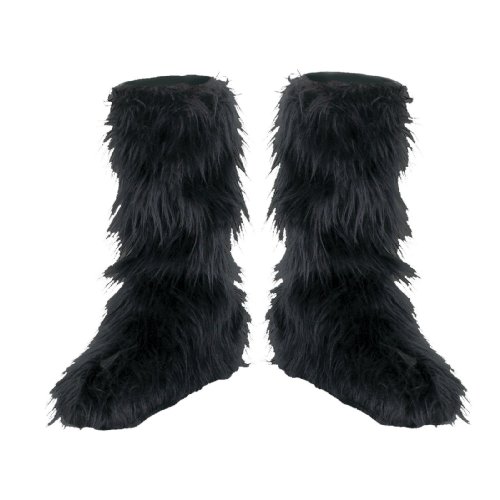
Leg Warmers

Leg warmers are great for a number of reasons. My favorite reason is that they keep me warm. If my ankles or legs get too cold I am not a happy camper, and so I have gotten used to wearing them under my jeans as well as my pajamas. Arthritis sufferers usually are in more pain on cold and rainy days, and by wearing leg warmers, they will find relief from their pain because they will not be exposed to the cold drafts.

You can buy leg warmers in clothing stores, or, you can make them yourself at home. You can crochet, knit or sew them using any kind of material you have on hand. To make them, you do not need a pattern, simply measure your legs, and then make them to fit accordingly.

Leg Warmers To Buy

You will find that making them yourself is a lot cheaper than if you buy them anywhere, plus, they do not take very long to make. Whether you are sewing, knitting, or crocheting you can make a pair in as little as a few hours. The quickest way to make them, is of course to sew them, but, unless you use stretchy material, these do not fit as close as if you were to crochet or knit them.

Leg Warmers

Leg warmers are actually a great project to learn how to crochet, knit or sew! If they don't turn out, you have not wasted any material as you can still wear them underneath your clothes, and they will still keep you warm.

Even though you do not need a pattern there are many patterns and tutorials on how to make your own leg warmers. You can buy pattern books at your local yarn or pattern shop, as well as online, or, you can search for free patterns online, as there are many available.

Leg Warmers

Click here to Read more...

Secrets to Beating the Cold - Everybody is Wearing Body Warmers

When you look in to the world of body warmers the first thing that becomes apparent is that there are a multitude of products made to warm the body, ranging from jackets through to foot warmers. Based on these findings the natural question would then be, what part of the body do you want to warm, and how do they work.

Air activated body warmers are often referred to as chemical warmers. When the chemical warmer comes into contact with the body a chemical reaction is set in motion and is responsible for creating the heat. Chemicals used in this type of body warmer are carbon, iron, water and salt, so they are in fact a natural solution for somebody that suffers from feeling the cold, or is venturing out into colder parts.

Leg Warmers To Buy

Those that ski, hunt, camp and hike as well as others that either live in cold areas or travel to cold areas commonly use warmers. Athletes also use body warmers.

Secrets to Beating the Cold - Everybody is Wearing Body Warmers

When considering whether or not a foot warmer is something that you could benefit from, you would want to know whether the warmer is air activated and will it fit comfortably in your boot or shoe. It is worth noting that air activated body warmers have a limited life span so perhaps it may be best for you to consider a woollen or thermal alternative, depending on what it is you want it for.

The most popular form of clothing that is purchased for the sole purpose of ensuring body warmth is thermal clothing. It is essential for humans to maintain a core body temperature of approximately 37 degrees and for some, especially the elderly, wearing thermal underwear may be just what the doctor ordered for added body warmth.

Thermal clothing is readily available to warm all parts of the body. It is possible to buy thermal leg warmers, vests, socks, gloves and hats. Today the design and styles of thermal clothing are modern, and can be worn as an outer garment as well as under clothing. They come in a variety of colours and no longer look like the standard piece of thermal clothing from times gone by.

Many athletes wear specifically designed body warmers as a means to ensure that they do not injure themselves during strenuous exercise, because they assist in keeping the body at an even temperature during training. Many athletes have reported that during the warm up phase, the added warmth required to avoid muscle strain or injury is greatly reduced by wearing articles of clothing that aid in body warmth. Once training has finished and the body is cooling down, the same principle applies.

The human body has an amazing response to thermal strain and is controlled by the part of the brain known as the hypothalamus. If body temperature rises or falls then it is the hypothalamus that will correct the body temperature ensuring that it stays around the core rate of 37 degrees, but for some the benefits of body warmers can not be ignored.

Secrets to Beating the Cold - Everybody is Wearing Body Warmers

Click here to Read more...

The Skinny Jean: A Brief History

Skinny Jeans, whether you love them or loathe them, they're everywhere. But where did they come from?

1950s and 1960s fashion:

Leg Warmers To Buy

Jeans became the symbol of rebellion and passionate youth worn by the sex symbols of the day. James Dean, Marlon Brando, and Elvis wore their jeans straight and slim. Although women in the 50's didn't often wear jeans; Audrey Hepburn, Sandra Dee, and Marilyn Monroe wore the 50's fashion of slim, close fitting pants that had the same sexy silhouette as today's skinnies. By the 60's women's jeans were more common (even though the zipper was in the back) and they continued to have that skinny silhouette. The look could be super sweet like the girl next door, or sexy and rebellious like those greaser chics in the musical and movie of the same name. Rock and Roll was coming of age and tight jeans were the uniform.

The Skinny Jean: A Brief History

1970s Fashion

The essence of Rock and Roll stays strong in skinny jeans despite the fluff and flash of the Disco era. When we think of 70's fashion, we think of elephant bells and groovy flare jeans; but dig a little deeper and you'll find the beginnings of the punk movement and the skinniest jeans in history. Tight from the waist to the ankle, safety pins were often used to keep them snug around the body and increase that bondage appeal. Think of The Sex Pistols and The Ramones as prime examples. Vivian Westwood had her own shop selling this "anti-fashion" to the ultra hip crowd.

1980s fashion

Flash Dance collides with Spandex to bringing a whole new look to the denim scene. Tight jeans were definitely in for women and men. Tight and stone washed, (still no stretch in denim) 80's fashion is where tapered leg jeans really made their mark, and the style lasted well into the early 90's. Remember those oversized sweatshirts and the colorful leg warmers? Pat Benetar, Chrissie Hynde and The Rolling Stones, all the serious rockers wore their denim tight (without the leg warmers of course).

1990s Fashion

While mainstream fashion heads toward the boot cut, skinny jeans recapture their cool. No longer popular in 90's fashion, tight jeans could still be found on the music scene. The Rolling Stones were still rolling along, and underground Punk with its Goth cousin were entrenched in tight skinny jeans (anti-fashion once again). Ever wonder why "Rock n Roll" is so often mentioned in reference to jeans? For mainstream America the skinny jean had taken a disturbing turn, evolving into tapered leg styles and even the horrors of faux denim leggings (some people just have trouble moving on).

2000-2003

Denim is everywhere, after years of boot cuts and flares, the skinny jean looks suddenly fresh and new. Here we are again, but skinny jeans didn't just pop up over night. It has taken a while to hit the mainstream. In fall of 2002 cutting edge designers were showing skinny jeans scrunched over high heels and tucked into boots. Stella McCartney, Versus (Versace), and Rock and Republic are all showing skinny jeans. By 2003 the trend becomes even more prevalent on the runways and all the premium denim brands are on board. You have to admit, it looks great on those runway models.

2004-2005

The Power of celebrity is omnipotent, if Kate is wearing it, it's got to be good.
Designers are still pushing the skinny, and the trend catches on in London. Visitors to High Street feel totally out of date in their tried and true boot cut jeans. JBrand Jeans is launched in LA, producing straight and skinny jeans in dark washes with minimal detailing. Celebrities such as Kate Moss, Angelina Jolie, and Sienna Miller embrace the new trend and look fabulous in it. Our very own fashionista, Ada, bought her first pair of skinny jeans in 2005, but mainstream America is still slow to catch on. Lucky Brand Jeans introduces skinnies to their customers only to watch them languish on the store shelves.

2006

The Skinny Jean is all the buzz! It's hard to wear but you know what they say: "No Pain, No Gain". It's here, it's there, it's everywhere! Suddenly Americans are seeing Skinnies in every store. Almost all denim brands offer at least one version of a skinny, cigarette, or super straight. There are other jeans out there, but these are the ones that are on the top of everyone's list. Stores are pushing the new look, and everyone from fashion editors to bloggers are writing about this new trend. Early in the year news reports are varied, predicting that this is a style that just won't catch on with mainstream America. But by the fall season you can get your skinny fix everywhere from the trendiest boutiques to the local discount store. The skinny is definitely at the peak of popularity right now.

How long will the style last? What's next? Let's look to London and see, is that a wide leg jean?

The Skinny Jean: A Brief History

Click here to Read more...

Children's Winter Clothing

Trying to keep your toddler warm during the cool winter months? Or maybe you are trying to keep the sun from your little girl's or boy's eyes during the spring and summer months. Regardless, there is always a reason to add a toddler hat and beanie into your child's wardrobe.

Fortunately there are many options for parents to choose from for their children when selecting toddler hats and beanies. Making it possible for anyone of any taste to find the right beanie or toddler hat to fit their overall fashion sense.

Leg Warmers To Buy

Toddler hats and beanies come in different shapes, sizes, colors, patterns, and prints that will allow your child to express their overall fashion sense with these accessories. Reversible beanies are becoming a good way to save money like a two for one deal.

Children's Winter Clothing

Toddler leg warmers are much like your traditional adult style. While they are similar to socks, they are generally thicker and footless. It is common to find leg warmers used for dancers. But toddlers? That's right! Leg warmers have become all the rage with parents of both little girls and boys.

While you might not be sure of what leg warmers are, they are generally footless socks made from thick fabric such as wool. Toddler are usually very stretchy, making it possible for the parent to slip them easily onto their child's leg.

Much like any other leg warmer, toddler leg warmers can be found in many different sizes, colors, and prints. Making it easier for you to find a toddler pair to fit your child's existing wardrobe.

Children's Winter Clothing

Click here to Read more...

Beginner Triathlete - Novice Ironman and the Importance of Wetsuits - Warmer, Lighter Or Faster?

It is pretty obvious to the triathlon community that triathlon wetsuits are not all created equal.

At the same time, it often feels like we have taken the importance of exactly how a triathlon wetsuit is actually constructed a bit too seriously. After all, when it comes right down to it, is really necessary to get excited about a wetsuit because it is a millimeter thicker than the one you owned the previous season?

Leg Warmers To Buy

It appears that the goal is to have a creation that is thinner and faster, but still as warm as a wetsuit with thicker construction.

Beginner Triathlete - Novice Ironman and the Importance of Wetsuits - Warmer, Lighter Or Faster?

IN THE EARLY DAYS

In the early days of triathlon the races were few and far between. To make matters worse, in many areas with water temperatures that hovered around 60 degrees Fahrenheit it was a challenge for many triathletes just to avoid hypothermia. There simply were no wetsuits back then except perhaps for the early "Farmer John" type that did nothing at all to keep a person warmer, which begs the question, "what exactly did they do"?

Of course a person could always buy a "dry-suit" --that would be impossibly heavy and hot-- at a dive shop, but it would be years before the real triathlon "wetsuits" were available to all triathletes regardless of where they lived.

For the Canadian triathlete, it was pretty much almost a certainty that hypothermia was going to rear its head in any triathlon swim leg in Canada back in the eighties unless the race happened to be on the West Coast. The severity of the hypothermia often depended on actual swimming ability of the triathlete. The better a triathlete could swim back then, the sooner the swim leg would be over so it was a simple matter of those whoever got out of the water the soonest were less likely to suffer from the cold as much.

EFFICIENT SWIMMING IS THE KEY

If a triathlete did not have an energy-saving stroke it was often difficult to retain enough co-ordination once out of the water to be able to climb on a bike. It was not unusual for it to take ten minutes or more for a triathlete to warm up enough to be able to cycle at all. Some of the early triathletes reached the danger point of hypothermia and were often unable to carry on in the race at all.

The wetsuit was born in the mid to late eighties and began to evolve at a quick pace in the decades to follow. Every single year you could pretty much be guaranteed that a new improved wetsuit would be on the market. Often the new wetsuits came with the promise that it would make you a faster swimmer then ever before.

FASTER IS NOT ALWAYS BETTER

This philosophy of "faster is better" really sucked people in because they had yet to figure out how little importance swim time really has on the end result of an Ironman. This is especially true of age-groupers who simply want to finish the race any way they can. Still, many triathletes were sucked in over and over again and could spend a few thousand dollars on wetsuits over a career.

Unfortunately, it would take years for some triathletes to figure out that swimming faster is not the secret to a successful Ironman. Real success is realized when emphasis is placed on finishing the swim leg of an Ironman with as little energy loss as possible. In reality, success in an Ironman has very little to do with the thickness of a wetsuit, how seamless the stitching, or how stretchy the armpits are.

STAYING WARM IS THE KEY

Ultimately, the most important feature of a wetsuit for the average age-group triathlete or novice Ironman is the protection it provides from the cold. It is of paramount importance to always keep in mind that if you burn yourself out from the swim because you lack a smooth, energy-saving stroke you will most likely be part of the Ironman "death march".

For the beginner triathlete or novice Ironman, the goal should be to get through the swim with as little discomfort as possible and with as little mental, emotional, and physical stress as possible. Any type of stress has a way of contributing to the loss energy that will without a doubt be desperately need later on in the race. This is most especially true to the Ironman because of the sheer distance of the race.

Beginner Triathlete - Novice Ironman and the Importance of Wetsuits - Warmer, Lighter Or Faster?

Click here to Read more...